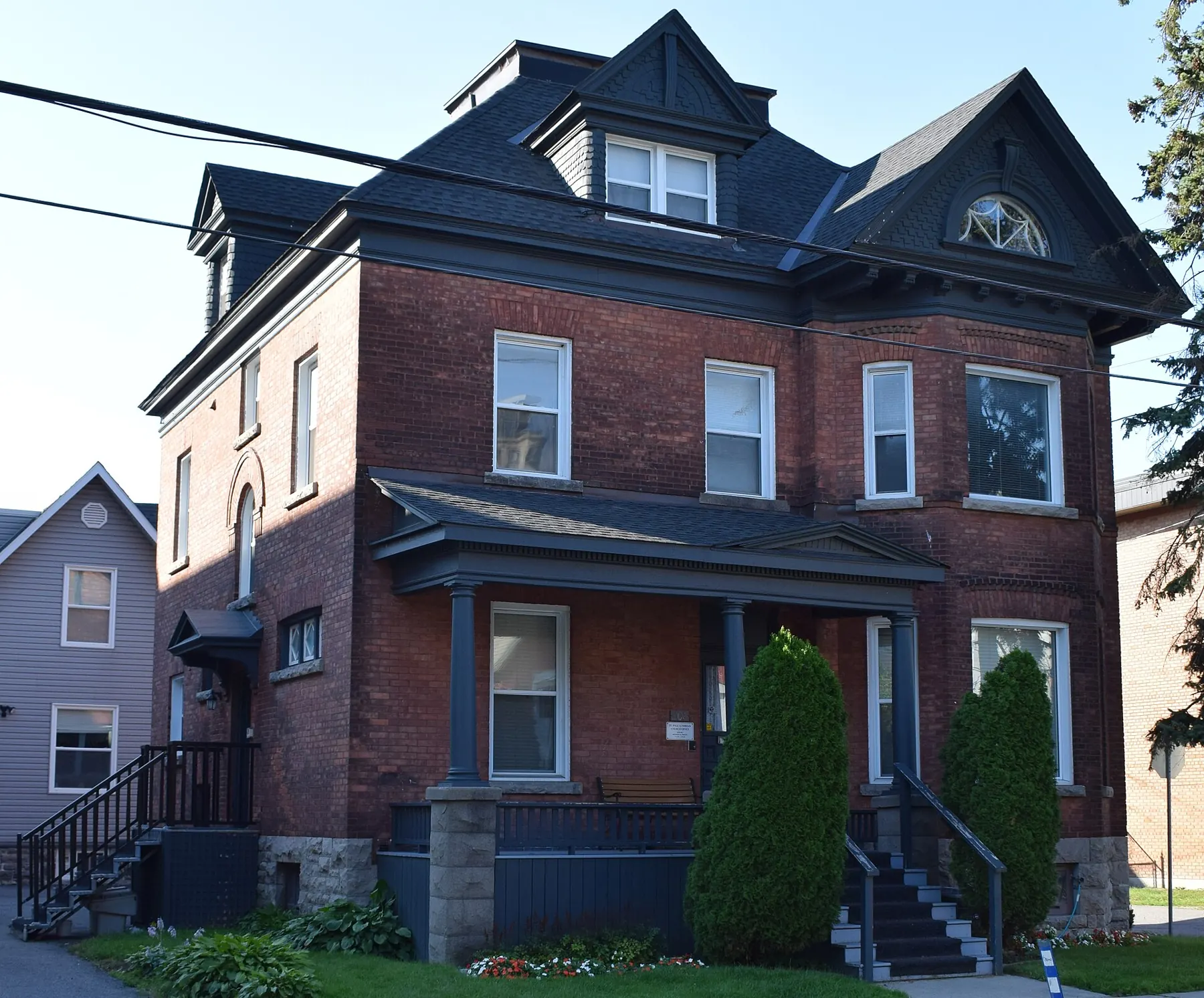
When a house passes through an estate, the person named in the will (in Ontario, the estate trustee, often called the executor) usually ends up responsible for selling it. That can mean months of paperwork, a house that has to be heated and checked on through an Ottawa winter, and a family that wants it handled fairly. We buy estate houses as they stand, including everything still inside, and we time the closing around the estate rather than the other way around.
Probate and authority to sell
If the house was in the deceased person's name alone, the estate trustee usually needs a Certificate of Appointment of Estate Trustee (what most people call probate) from the Ontario Superior Court of Justice before the land registry will accept a transfer. Houses held jointly with a surviving spouse often pass outside the estate. The estate's lawyer can tell you which applies. We can agree on terms early and close once the trustee has authority.
Estate Administration Tax
Ontario charges Estate Administration Tax when a certificate is issued. For applications made on or after January 1, 2020, there is no tax on the first $50,000 of the estate's value, and $15 for every $1,000 (or part of $1,000) above that. On an estate worth $600,000, that works out to $8,250. The trustee also has to file an Estate Information Return with the Ministry of Finance within 180 days after the certificate is issued.
An empty estate house and the Vacant Unit Tax
Ottawa's Vacant Unit Tax has an exemption for a home left vacant because the owner died. The City applies it only for the year of death and the following year, so an estate house that sits empty longer than that can start attracting the tax. A trustee still has to file the annual occupancy declaration for the house.
Contents, clean-out and family
You do not need to empty the house or hire a junk crew. Family can take the pieces that matter and leave the rest, and we deal with the clean-out after closing. If several beneficiaries are involved, a written offer with the reasoning attached can help everyone see the same numbers.
Before you decide
- Ask the estate's lawyer early whether a Certificate of Appointment is needed for the house.
- Tell the home insurer the house is vacant. Many policies have conditions for empty homes.
- Keep the heat on and have someone check the house regularly through the winter.
- Get a written price and the math behind it before deciding to renovate an estate house.
Every situation is different, and nothing here is legal or tax advice. Talk to an Ontario lawyer about yours. When you are ready, we will give you a clear number and tell you honestly if listing looks like the better choice.